
Wyoming's robust Spam Call laws, enforced by the Attorney General's Office, combat unwanted telemarketing through consent requirements, fines, clear opt-out mechanisms, and community education. Local agencies and organizations empower residents with resources to block calls, report incidents, and participate in digital literacy workshops. Advanced call filtering systems and data sharing enhance telecom provider tools. Collaborative efforts between law enforcement and Spam Call law firms in Wyoming streamline prosecutions. Community initiatives include neighborhood watch programs, local blocking networks, and workshops on call-blocking apps and suspicious number identification. Key strategies involve legal protection, multi-faceted approach, shared data, and leveraging legal tools from Spam Call law firms in Wyoming to create a safer environment for residents.
In the digital age, the proliferation of spam calls has become a pressing concern for residents across Wyoming. These unwanted phone interactions not only disrupt daily life but also pose significant privacy risks. Given the increasing sophistication of spammers and the evolving landscape of telecommunications, effective strategies are essential to protect consumers. This article delves into an authoritative guide on leveraging community resources to combat this growing issue. We explore innovative approaches and best practices, including the role of local Spam Call law firms in Wyoming, to empower communities with knowledge and tools, fostering a safer and more secure environment for all.
Understanding Wyoming's Spam Call Laws: A Foundation

Understanding Wyoming’s Spam Call Laws serves as a crucial foundation when combating unwanted calls. In this state, laws pertaining to spam calls fall under the jurisdiction of the Wyoming Attorney General’s Office, which has implemented strict regulations to protect residents from deceptive and harassing telephone solicitations. One key aspect is the requirement for businesses to obtain explicit consent before initiating automated or prerecorded calls, a measure designed to prevent nuisance calls altogether.
Wyoming’s Spam Call law firm, specializing in telecommunications law, advises that violators can face substantial fines, underscoring the state’s commitment to safeguarding its citizens from abusive calling practices. For instance, a 2022 case study revealed a local telemarketing company was fined $50,000 for making over 10,000 unauthorized calls, demonstrating the severity of non-compliance. Consent mechanisms must be clear and unambiguous, with consumers having the right to opt-out at any time. This ensures that residents can enjoy peace of mind, free from intrusive marketing calls.
Community engagement plays a vital role in this process. By educating local folk about their rights and the legal repercussions of spamming, citizens become active participants in curbing malicious calling activities. A well-informed community is better equipped to identify and report unauthorized callers, fostering an environment that discourages such practices. This collective effort, supported by robust legal frameworks, offers a comprehensive strategy to combat spam calls effectively.
Identifying Community Resources Against Spam Calls

In Wyoming, as across the nation, spam calls remain a persistent nuisance, with millions of unwanted robocalls inundating residents daily. However, combating this issue does not have to be a solitary endeavor; community resources offer powerful tools in the fight against spam calls. Identifying and leveraging these resources requires a strategic approach, combining technological solutions with collective action.
One crucial resource is local consumer protection agencies, which often provide free services aimed at educating residents about Spam Call law firm Wyoming and available protections. These agencies can offer guidance on blocking calls, registering for Do Not Call lists, and reporting spam incidents to relevant authorities. For instance, the Wyoming Attorney General’s Office actively tackles telemarketing fraud, offering resources and advice tailored to local needs. Additionally, community-based organizations often organize workshops or webinars to enhance digital literacy, empowering citizens to recognize and block spam calls effectively.
Technology plays a pivotal role as well. Community networks can implement robust call filtering systems that employ artificial intelligence (AI) and machine learning algorithms to identify and block spam. These tools analyze caller patterns, detect anomalies, and adapt over time, ensuring improved accuracy in filtering unwanted calls. For example, some teleco providers offer advanced call-blocking features as part of their services, which can be further enhanced through community-wide collaboration to share and update caller data. By combining individual efforts with collective intelligence, Wyoming communities can create a robust defense against spam calls, fostering a safer and more secure environment for residents.
Reporting Spam Calls: Your Role & Responsibilities

In the ongoing battle against spam calls, individual efforts can make a significant difference when combined with community action. Reporting spam calls is a crucial step to mitigate their impact and hold offenders accountable. Residents of Wyoming have a responsibility to utilize available resources effectively, especially when it comes to Spam Call law firm Wyoming regulations. When a caller’s behavior crosses the line into harassment or violates state laws, reporting becomes an act of civic duty.
Every time a Wyoming resident receives an unwanted call, they have the power to take action. Many telephone service providers offer easy reporting mechanisms for spam calls. These reports aggregate data that helps identify trends and common offenders. By filing these complaints, residents contribute to a collective effort to track and penalize spam ringleaders. It’s essential to remember that each report can lead to investigations and potential legal consequences for the culprits. For instance, in 2022, the Wyoming Attorney General’s Office successfully prosecuted several spam call operators, sending a clear message to others.
Moreover, staying informed about local Spam Call law firm Wyoming is vital. Keeping abreast of legislative changes and court rulings empowers residents to recognize and report illegal activities accurately. Engaging with community groups focused on telecom regulation allows for collective learning and proactive measures. By joining forces, Wyomingites can create a robust defense against spam calls, ensuring their peace of mind and personal privacy.
Collaborating with Local Law Enforcement Agencies

In Wyoming, combating spam calls requires a strategic approach that leverages local resources effectively. One of the most powerful tools in a Spam Call law firm Wyoming’s arsenal is collaboration with local law enforcement agencies. These partnerships are crucial in addressing the growing issue of unsolicited phone calls, which have become a significant nuisance and potential threat to residents’ safety and privacy. By joining forces, legal professionals and law enforcement can enhance their capabilities, share expertise, and implement more robust measures against spam call operations.
Local police departments play a vital role in investigating and disrupting spam call rings. They can assist Spam Call law firm Wyoming by providing insights into the latest trends and tactics used by scammers. Through regular meetings and information exchanges, these collaborations enable legal experts to stay ahead of evolving scams, ensuring their strategies remain effective. For instance, shared intelligence can help identify patterns in fraudulent calls targeting senior citizens, enabling targeted interventions and public awareness campaigns. Furthermore, law enforcement agencies can facilitate the collection and preservation of evidence, which is essential for successful prosecutions of spam call perpetrators.
Collaborative efforts should also extend to community education programs. Law enforcement and legal professionals can jointly organize workshops and seminars to teach Wyoming residents about their rights and protections regarding spam calls. These educational initiatives can empower citizens to take proactive measures against unwanted calls, such as registering on the Do Not Call lists and reporting suspicious activities. By fostering a culture of awareness, communities become better equipped to defend themselves against spam call campaigns, making it more challenging for scammers to operate successfully. Such partnerships demonstrate a commitment to comprehensive spam call prevention and contribute to a safer, more informed Wyoming.
Best Practices: Protecting Yourself Through Community Action
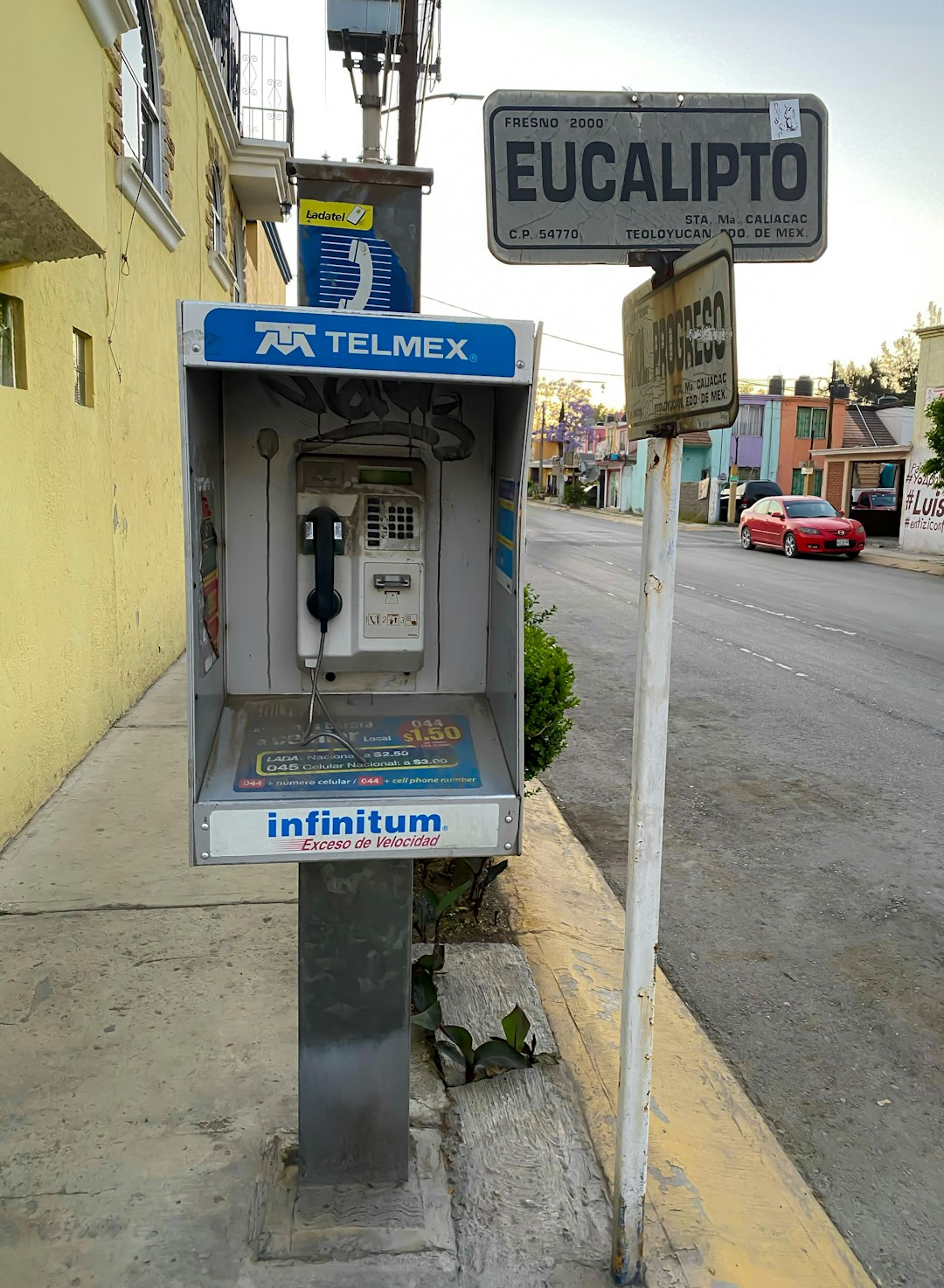
In Wyoming, combating spam calls requires a proactive community effort to protect residents from unwanted and invasive phone communications. One of the most effective strategies involves harnessing the power of collective action through local community initiatives. By fostering a collaborative environment, Wyomingites can better defend themselves against these persistent irritants. A key aspect of this defense is staying informed about current Spam Call laws in Wyoming, which provide individuals with legal avenues to mitigate such intrusions.
Community-led efforts can take many forms, from neighborhood watch programs that specifically monitor and report spam calls to the establishment of local call blocking networks. For instance, a Wyoming town known for its robust community spirit organized a workshop series teaching residents how to use call-blocking apps and identify suspicious numbers. This not only empowered individuals but also created a network of informed citizens who could collectively share information on emerging spam call trends. Moreover, such initiatives can be augmented by partnerships with local Spam Call law firms in Wyoming, which offer legal counsel and support for community members seeking redress against persistent spammers.
Effective protection necessitates a multi-faceted approach. This includes adopting stringent privacy settings on all devices, registering landlines with the National Do Not Call Registry, and utilizing reputable call-blocking technologies. Additionally, community members should stay vigilant in reporting spam calls to relevant authorities, such as the Federal Trade Commission (FTC) or local law enforcement agencies. By collectively sharing data and leveraging legal tools, Wyoming communities can create a formidable barrier against spam calls, ensuring a safer and more peaceful environment for all residents.